%2Ffit-in%2F250x250%2Fguide_websites%2F14848%2Fimages%2F1713482174538image93.png&w=1920&q=100)
/users/df68f2b7-f763-4598-9fcc-04b221214b93/ratecard/481665971_122190829712264012_5887460403768648607_n-mg7frds2.jpg)
%2F300x300%2Fusers%2Fdf68f2b7-f763-4598-9fcc-04b221214b93%2Fratecard%2F481665971_122190829712264012_5887460403768648607_n-mg7frds2.jpg&w=256&q=75)
%2F300x300%2Fusers%2Fdf68f2b7-f763-4598-9fcc-04b221214b93%2Fimages%2Ffishing-in-fl-2547.jpg&w=256&q=75)
%2F300x300%2Fusers%2Fdf68f2b7-f763-4598-9fcc-04b221214b93%2Fimages%2Fangler-solitary-catch-goodland-2531.jpg&w=256&q=75)
%2F300x300%2Fusers%2Fdf68f2b7-f763-4598-9fcc-04b221214b93%2Fimages%2Fangler-big-fish-florida-2652.jpg&w=256&q=75)
%2F300x300%2Fusers%2Fdf68f2b7-f763-4598-9fcc-04b221214b93%2Fimages%2Ffantastic-fishing-in-fl-2677.jpg&w=256&q=75)
%2F300x300%2Fusers%2Fdf68f2b7-f763-4598-9fcc-04b221214b93%2Fimages%2Fsandbar-shark-florida-fishing-2621.jpg&w=256&q=75)
%2F300x300%2Fusers%2Fdf68f2b7-f763-4598-9fcc-04b221214b93%2Fimages%2Fcobia-catch-florida-3333.jpg&w=256&q=75)
%2F300x300%2Fusers%2Fdf68f2b7-f763-4598-9fcc-04b221214b93%2Fimages%2Ffishing-bliss-goodland-2765.jpg&w=256&q=75)
%2F300x300%2Fusers%2Fdf68f2b7-f763-4598-9fcc-04b221214b93%2Fimages%2Fgoodland-fishing-adventure-2717.jpg&w=256&q=75)
%2F300x300%2Fusers%2Fdf68f2b7-f763-4598-9fcc-04b221214b93%2Fimages%2Fpicturesque-goodland-fishing-3398.jpg&w=256&q=75)
%2F300x300%2Fusers%2Fdf68f2b7-f763-4598-9fcc-04b221214b93%2Fimages%2Ftrio-fishing-florida-3107.jpg&w=256&q=75)
8-Hour Private Fishing Charter in Goodland, FL

 Florida
What you will be catching:
 Permit
 Sheepshead
 Snook
Snook Spanish Mackerel
 Tarpon
- Full-day 8-hour private charter targeting premium Florida species
- Captain provides all equipment on Pathfinder boat for up to 3 guests
- $1,000 charter departing 7 AM from Goodland Drive with deposit required
Trip Pricing and Availabilities:
Full-Day Florida Fishing: Hook Your Dream Catch
Ready for a serious day of fishing in the Sunshine State? Captain Steve Gould's 8-hour private charter out of Goodland, FL is your ticket to some of the best inshore action around. From the first light of dawn to mid-afternoon, you'll be on the hunt for prized gamefish like tarpon, snook, and permit. With a 7 AM start time, you'll beat the crowds and hit prime fishing spots when the bite is hot. Whether you're a seasoned angler or just getting your feet wet, Cap'n Steve's got you covered with top-notch gear and local know-how that'll put you on fish.
What to Expect on the Water
Hop aboard Cap'n Steve's Pathfinder boat for a day of non-stop fishing action. With room for up to three guests, you'll have plenty of elbow room to cast and reel in your catch. The extended 8-hour trip gives you the flexibility to really work different spots and dial in your technique. You might start off sight-casting to tailing permit on the flats, then switch gears to target monster snook around mangrove shorelines. As the day heats up, you could find yourself battling a silver king tarpon – trust me, once you've felt that first aerial leap, you'll be hooked for life. Cap'n Steve's years of experience mean he knows just where the fish are holding and what they're biting on any given day.
Gear Up for Success
No need to lug your tackle box – Cap'n Steve's got you covered with all the fishing gear you'll need. We're talking top-of-the-line rods, reels, and terminal tackle suited for the species we're after. You'll be slinging live bait, tossing artificial lures, or maybe even trying your hand at fly fishing if that's your thing. The boat's equipped with a live well to keep your bait frisky and a cooler for your catch (and don't forget to bring some cold ones for yourself). Just remember to grab that Florida fishing license before you head out – it's required and not included in the trip cost.
What Anglers Are Saying
"Captain Steve is an interesting guy who clearly enjoys fishing and obviously knows what he's doing. His boat is fit for purpose and he uses the best tackle. My party fished for grouper and he got us on them. I'd book another trip with Captain Steve for other species like tarpon and snook." - Philip
Species You'll Want to Hook
Tarpon: Known as the "Silver King," these monsters can reach over 100 pounds and are famous for their acrobatic leaps. Spring and early summer are prime time for tarpon in Florida waters. They'll test your strength and endurance – be ready for a fight that could last over an hour!
Snook: These hard-fighting, bucket-mouthed bruisers are a Florida inshore favorite. They love to hang around structure, so we'll be working mangroves, docks, and bridge pilings. Snook fishing heats up in the warmer months, and there's nothing quite like the explosion of a big snook crushing a topwater lure at dawn.
Permit: If you're up for a challenge, permit are the name of the game. These wary, disc-shaped speedsters have incredible eyesight and can spook easily. We'll be sight-fishing for them on the flats, usually with crabs or shrimp. Landing a permit is a true feat – they're considered one of the most difficult inshore species to catch.
Sheepshead: Don't let their striped, prison-jumpsuit looks fool you – sheepshead are crafty bait-stealers and put up a great fight on light tackle. They hang around structure and are most active in cooler months. We'll be using small hooks and live or cut bait to tempt these tasty convict fish.
Spanish Mackerel: When the macks are running, it's non-stop action. These toothy speedsters travel in schools and can really make your reel sing. We'll troll or cast small, flashy lures to mimic their favorite baitfish. They're great eating too, so be sure to keep a few for the dinner table.
Time to Book Your Spot
An 8-hour trip with Cap'n Steve is more than just a fishing charter – it's a full-on Florida inshore experience. At $1,000 for up to three anglers, you're getting a personalized day on the water with a seasoned pro who knows these waters like the back of his hand. From the adrenaline rush of hooking a tarpon to the satisfaction of outwitting a crafty permit, this trip offers something for every angler. Remember, spots fill up fast, especially during peak seasons, so don't wait to lock in your date. The fish are biting, and Cap'n Steve's ready to put you on 'em – let's make some fishing memories!
Customer Review
Reel Deal with Steve

Philip Co
October 15, 2025
Learn more about the animals
Permit
Permit (Trachinotus Falcatus) Description
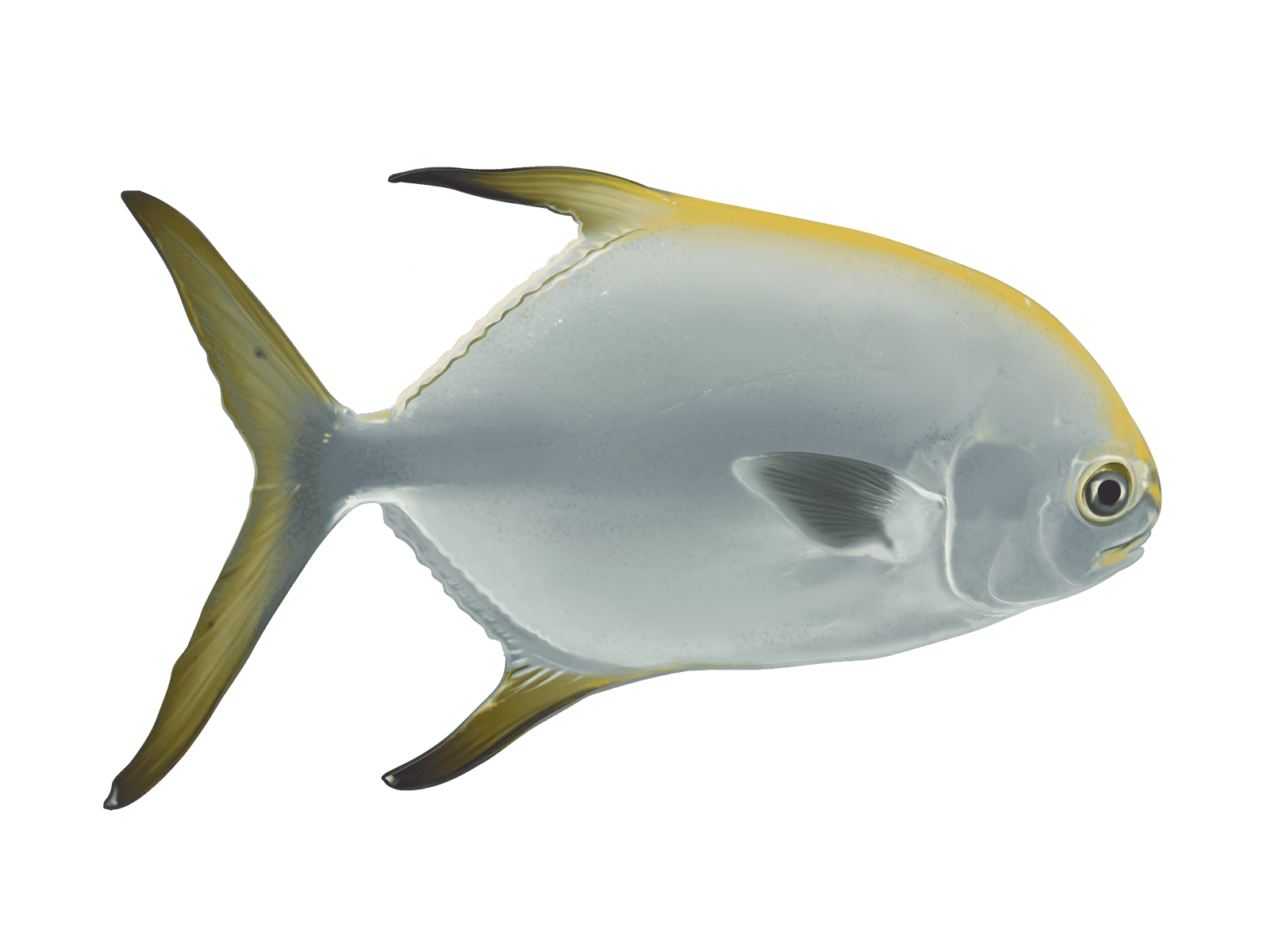
The Permit fish is a tall, flat fish with elongated dorsal and anal fins and a deeply forked tail. They have silvery coloration on their scales and dark markings on their dorsal fins giving its nickname, Rough Back. The smaller, younger Permit may be difficult to decipher from the Pompano; however, one way to tell is a color check. Permit have orange colorings on their chins, fins, or bellies as opposed to the Pompano that has yellow coloring in those areas.
Size
The common permit is 36 inches but can reach lengths of 48 inches and can weigh up to 60 pounds. The world fishing record for Permit is 60 pounds 8 ounces.
Interesting Facts
Juvenile Permit school together inshore where they hunt their prey on sandy seagrass flats. As they grow older, they become more solitary fish.
Permit grow rapidly during the first five years of their lives and they continue to live to about 23 years of age. They are known to suffer from a number of parasites and bacteria that can infest the skin and gills, leading to the fish's death.
They have golfball size eyes that can rotate almost 360 degrees which gives them outstanding eyesight and an advantage over the angler.
Permit like shallow water considering their tall stature. They are sometimes found in only 2 feet of water which barely seems deep enough for them. Even so, the fly fisherman will find this a challenging fish to catch.
Spawning
Permit typically spawn in spring and summer, but in the warmer climates, they can spawn year-round. They are multiple batch spawners, meaning one fish can produce eggs more than once a season. Reproduction typically takes place offshore in deep waters.
Habitat
You will find the juvenile Permit inshore in shallow mud, grass and sand flats and channels. You may even find them in some brackish areas. Adult Permit can be found by offshore wrecks, oil platforms, jetties, and artificial reefs.
Fishing Techniques - How to Catch Permit
The permit is an elusive fish to catch. Blue crabs are the standard bait used for permit fishing, with almost all angling done with live bait. Recommended tackle would consist of medium weight rods, a baitcasting reel, a 20-pound braid line with a monofilament or fluorocarbon leader of 30 pounds, and 2/0 to 4/0 circle hooks. Vertical jigging below the boat is a popular technique to take in deeper water due to the tendency of fishing around reefs and structures. Vertical jigging in these situations helps fishermen avoid snagging their line on a structure.
For the fly fisherman fishing in shallow waters, a 12 weight rod should do just fine. Crab imitation lures are about the only artificial lures you need. Soft plastics such as the Berkley Gulp saltwater peeler crab and D.O.A. soft shell crab lures are great imitations to live bait; rig them on a circle hook for the best hookups. Flies such as the crabby patty and the McCrab work well.
Distribution and Range
Permit can be found as far north as Massachusetts and as far south as Brazil. Areas like Florida and the Caribbean Islands have an abundance of Permit. In the United States, the flats in South Florida are famous for Permit fishing. Here, the Permit are more challenging to catch than Bonefish and Tarpon. The prime season coincides with the spawning season, from April to October, but Permit is reeled in year-round in temperate waters.
Sheepshead
Sheephead Fish (Archosargus Probatocephalus) Description
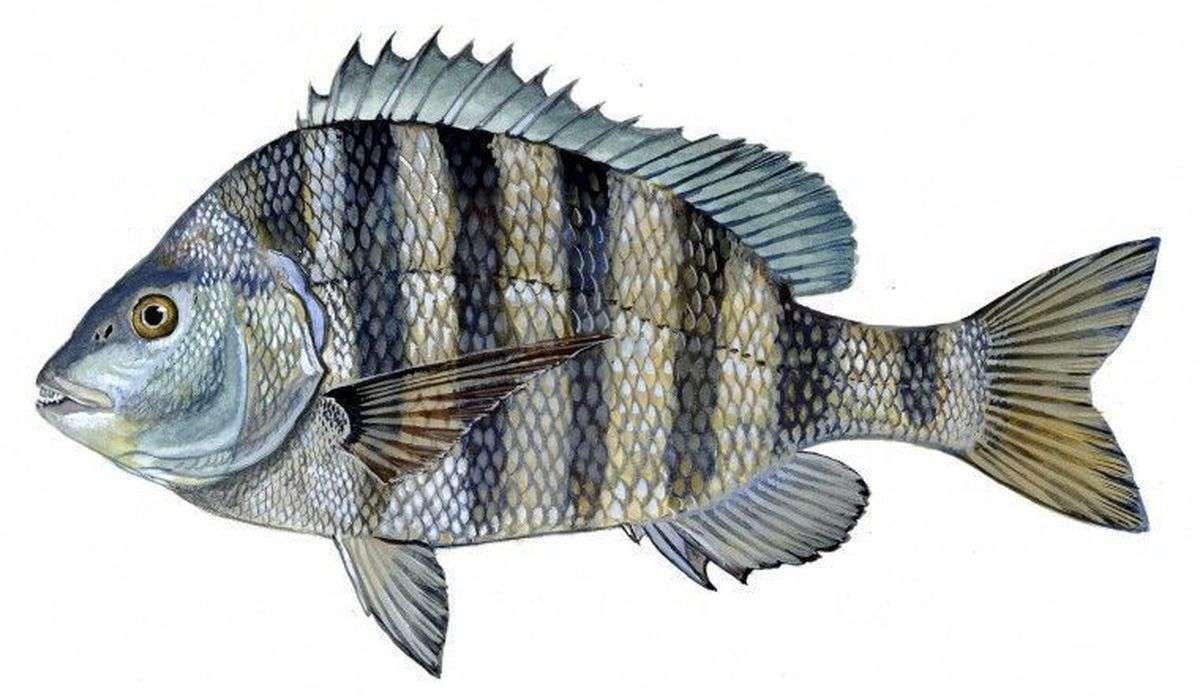
The Sheepshead is a beautiful fish with a deeply compressed grey body. They have five to seven dark bars on the sides of its body, giving it the nickname of convict fish. They also have sharp dorsal spines, but what they are really famous for are their human-like teeth.

Size
Sheepshead are common at 1-8 pounds and 14-20 inches. However, if you are lucky, you could come across one at 20 pounds, 35-inches. They live a relatively long life, about 20 years.
Spawning
Sheepshead form spawning groups of up to 10,000 fish. They migrate to structures at channel passes and offshore reefs, jetties, and oil platforms. They primarily spawn in the early spring from February through April.
Interesting Facts
- Sheepshead fish are nicknamed convict fish for their gray and black stripes.
- Sheepshead Bay in New York got its name from these fish there were once abundant. However, the bay's popularity caused water pollution, and the Sheepshead have all but disappeared from the bay.
- The delicate white flesh and delicious mild flavor of the Sheepshead make it excellent table fare, but their tough scales and strong fin spines make this species difficult to clean or fillet. Because of this, it is sometimes passed over in favor of other food fish.
Habitat and Distribution
You will find these fish around structures of any kind, docks, bridges, petroleum rigs, and reefs. Any barnacle-covered pilings make for great places to catch some big Sheepshead fish. Although they usually stay near cover, occasionally, they will also come closer to shore to feed on sand fleas (a type of crab).
Sheepshead are found along the entire east coast of the United States and around Florida to the Gulf of Mexico. The highest concentrations are found in south Florida to the Gulf of Mexico. Because of the large number of artificial structures and pier pilings in northwest Florida, you will also find large concentrations. They can also be found as far north as Nova Scotia.
Fishing Techniques - How to Catch Sheepshead
If your fishing from a boat, pull up to the structure without dropping an anchor, if possible, as it will startle the fish. They seldom go after baits too far from their cover, so get as close as you can. Anglers on land can still catch the big one off the dock or seawall. Just as the boat angler would do, cast your bait as close to the pilings as possible. Using light tackle, let the bait hit bottom, then slowly bring the bait up in 1-foot increments to determine where the fish are suspended in the water as they are pelagic. They may lurk near the bottom or hover in any depth. Sheepshead are notorious bait stealers. They will nibble on the bait in an attempt to loosen it from the hook, so always have it set up firmly. They also have powerful mouths and jaws, so once you feel the fish's weight nibbling at the bait, set the hook aggressively.
Look for these King-of-the-Reef fish around structures where they love to feed on barnacles, small stone crab, and fiddler crab. They also eat shrimp, mollusks, minnows, clams, and squid. When choosing a bait, a natural one is the best way to go. However, if you are looking for a jig to use, consider a shrimp-tipped jig. The heavier weight helps keep the bait down and from being dragged with the current. If your local laws allow, you may even scrape barnacles off the pilings with a rake to create a seeping area of meat pieces in the water. The Sheepshead will quickly hone in on the scent, and you will have them come to you.

Sheepshead Good to Eat?
Sheepshead is an excellent choice for those who love delicious, sustainable seafood options. This fish has a mild flavor that makes it suitable for any palate. Its white, sweet and succulent flesh is a perfect complement to any dish. Sheepshead is a great source of protein and omega-3 fatty acids, making it a healthy choice for anyone looking to maintain a well-balanced diet. It is also low in mercury, which means you can enjoy it without worrying about any potential health risks. A diet rich in Sheepshead fish can help in improving heart health by lowering blood pressure and reducing the risk of heart diseases. It can also support brain function, boost immunity, and aid in muscle growth and repair. Whether grilled, baked, or fried, Sheepshead fish is an excellent addition to any meal. So, if you have not tried this fish yet, it is time to do so and discover its exceptional taste and health benefits.
Snook
## Common Snook (Centropomus Undecimalis) The Common Snook is one of the largest in the snook species family. The Centropomus Undecimalis has a sleek and slender body with a very visible and pronounced dark lateral line. The common snook has a sloped forehead which features a lower protruding jaw and a large mouth along with very high and divided dorsal fins. The Common snook is also golden yellow in color with a pale yellow fin. They are also referred to as Snook, Sergeant Fish, and Thin Snook. ## Common Snook Size Common snook can grow to a maximum length of 4 1/2 feet but the common size is only around 1 ½ feet. Sizes of the Common Snook can vary depending on the location of the fish. Snook in Central America generally tends to grow bigger than snook found on the Northern Atlantic coast. The world record was caught in Costa Rica and weighed in at 59 lbs 8 oz. and 47.6 inches in length. ## Distribution and Habitat 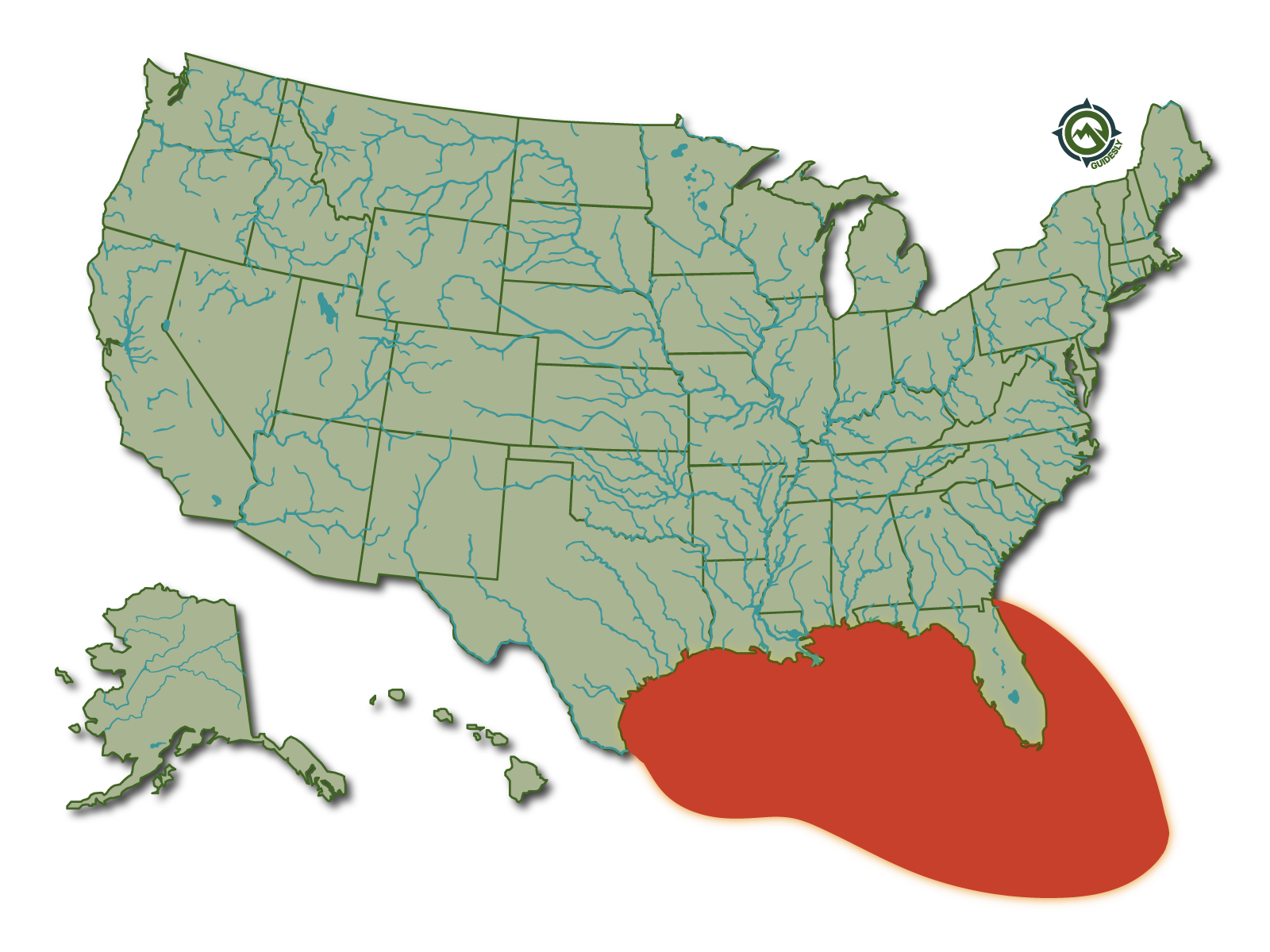 ## Common Snook Fun Facts Common Snook changes from male to female after maturation. Most large snook are female because the larger ones are more apt to change to female. Common Snook have very wide tails and are capable of short but incredibly fast bursts of speed to ambush or attack prey. Snook spawning season occurs with the new and full moon cycles from May to September. The fish gather in networks of high current areas that will take the eggs seaward. The males bump the females causing them to release the eggs, which are then fertilized. When the eggs hatch, the juvenile common snook return inshore, finding their way to the small streams where they can better avoid their many predators. During the spawning season, the snook's fins turn a bright yellow. Common snook are carnivores that eat fish, crabs, shrimps and other crustaceans that live in both fresh water and salt water. ## Common Snook Habitat The Common Snook is an estuarine dependent species, found in both fresh and saltwater. Adult Common Snook are normally found in lagoons and estuaries along with shallow, coastal waters of around 60 feet in depth. At times they will even enter fresh water creeks and inlets in the areas. These estuaries, lagoons and mangroves, and other shallow water areas are sanctuaries for the juvenile snook to grow to adult sizes and have cover from predators. They are also capable of surviving in a wide range of salinities from higher to lower concentrations, using a process known as osmoregulation. The snook family has 12 other closely related species, throughout the Atlantic Ocean and the Pacific Ocean. The Snook family is very temperature sensitive and sudden drops to unusually cold temperatures in their habitat can produce a winter kill, in which large numbers of snook population die-off. However, adult common snook can withstand the cooler water temperature better than the larvae or young juvenile snook. ## Snook Fishing Snook are a very popular game fish for the angler. Fishing for the common snook is actually fairly similar to fishing for largemouth bass, with some of the top snook lures originating in the bass-fishing world. Snook are very cover-oriented and can be found around areas with brush and mangroves In the estuaries, lagoons and creeks and other waters that they call home. Snook are also a very popular species for fly fishing, and fly fishermen can fish for them in a variety of ways including sight fishing. ## Snook Fishing Lures Many lures that are used for bass fishing can be used in snook fishing. Soft plastic swimbaits and jerk bait style minnows work great. Jigging shrimp imitations, as well as topwaters and crankbaits, can all work very effectively while fishing for snook. Flies like the imitator or the Dahlberg diver are excellent choices for fly fishermen. ## Distribution and Range Common Snook can be found throughout the warm waters of the western Atlantic Ocean. Reaching as far north as North Carolina and south down to Brazil, including the Caribbean, the Gulf of Mexico, and Central America. The coloration of these fish may vary slightly from location to location mostly due to water color and habitat, along with variations in size.
Spanish Mackerel
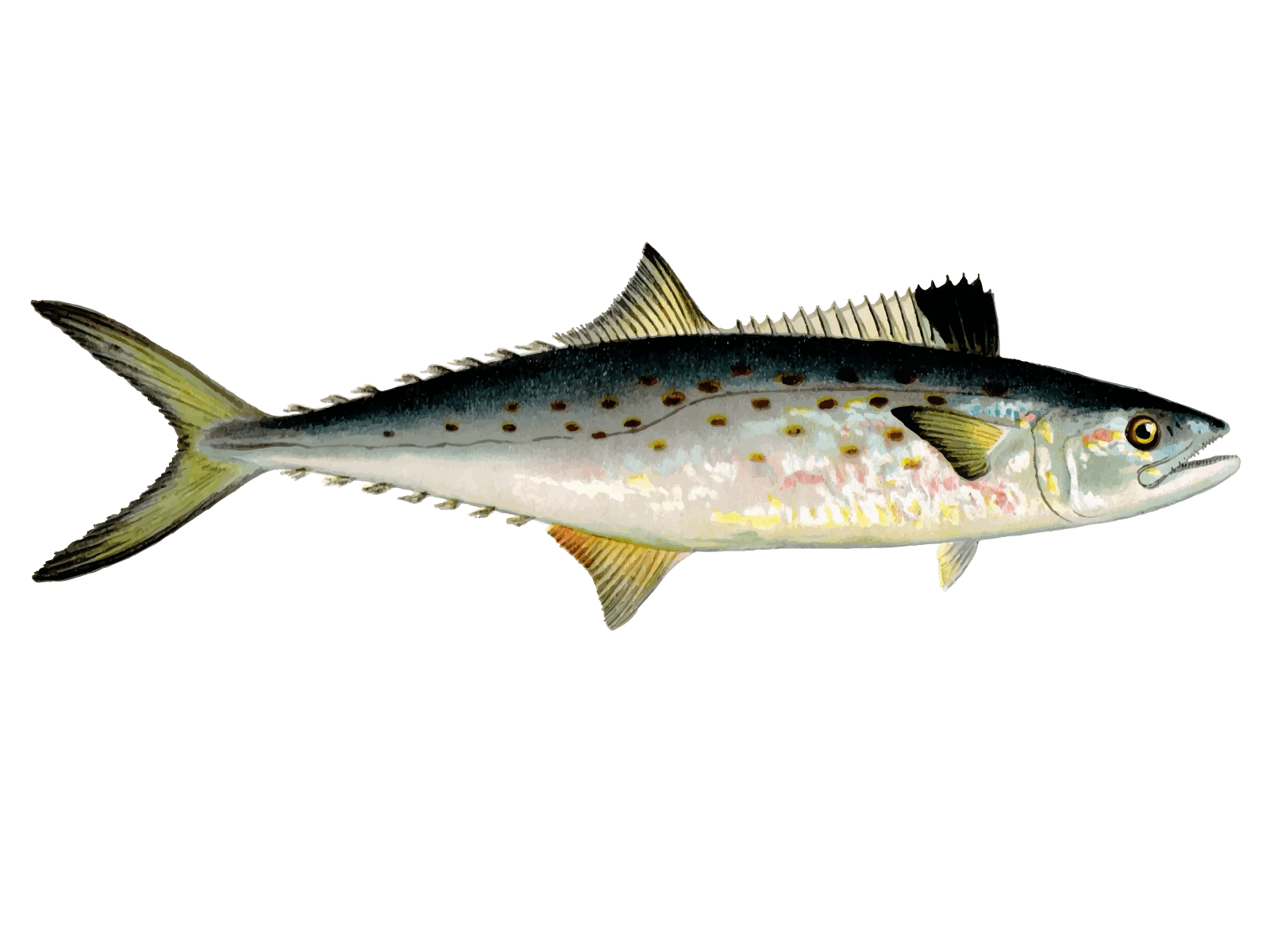
Spanish Mackerel (Scomberomorus maculatus)
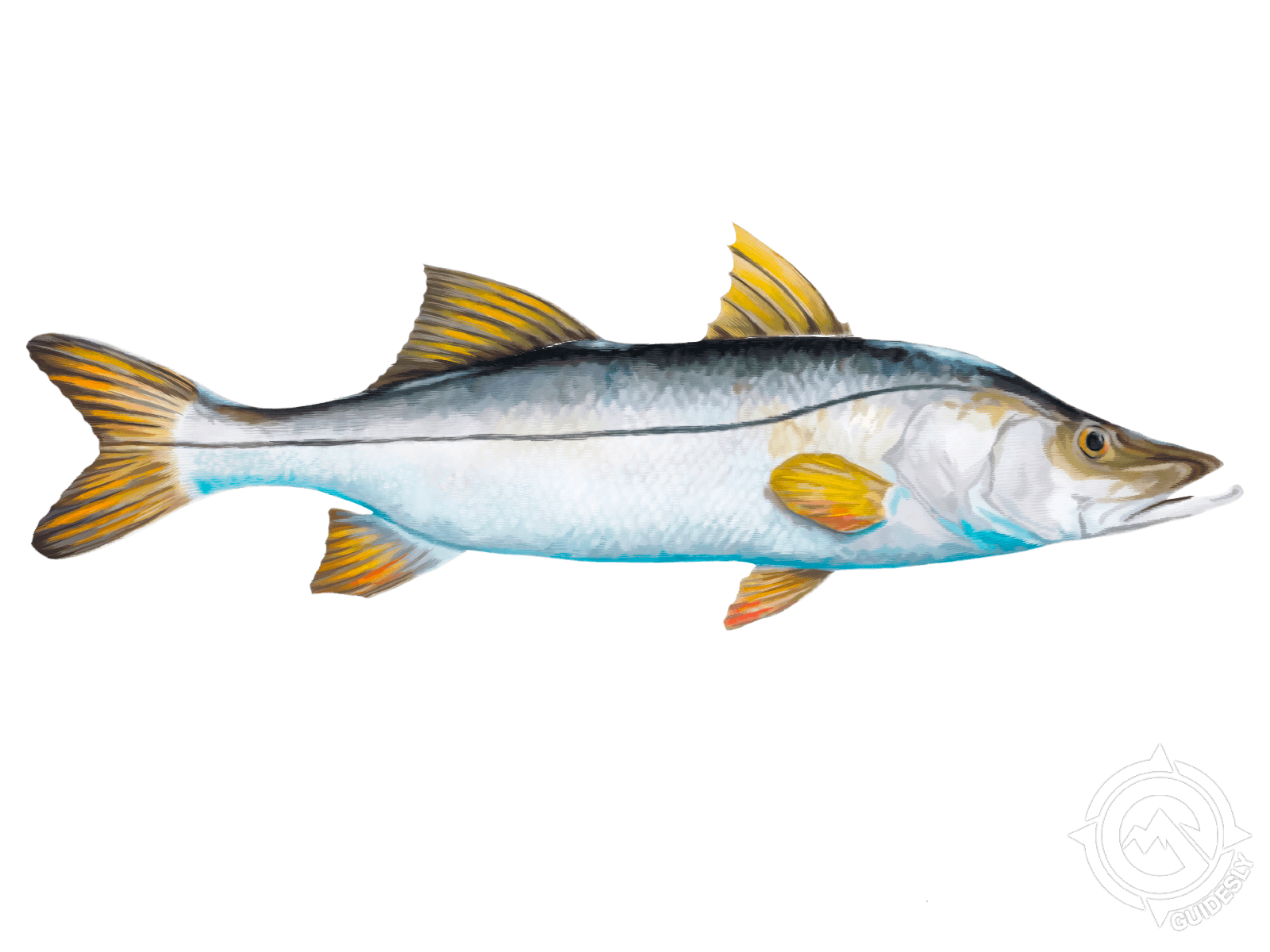
Often found both coasts of Florida and the Gulf of Mexico, the Spanish Mackerel (Scomberomorus maculatus) is a favorite fishing target for both recreational and commercial fishers. It can be easily identified with its long, streamlined body, silvery color with a dark greenish top, and yellowish oval spots scattered on its sides. They are speedy swimmers and can often be seen in large groups or schools. They also migrate from the northern part of the Atlantic coast to as far south as Mexico during winter. They can, however, be found in pretty much every ocean in the planet.
Spanish Mackerels are carnivores and usually prey on prey mainly on herring, menhaden, sardines, mullet, needlefish, and anchovy and, sometimes, even on shrimp, crabs, and squid. On the other hand, same as their close relatives like tuna and other mackerels, they are preyed upon by dolphins, sharks, and of course, humans.
The Spanish Mackerel is a highly valued fish for both sports fishers and commercial fishers because of its tasty meat that can be cooked by grilling, frying, baking, and even by smoking. It’s also a popular fish in Japan and other countries as it can be eaten raw as sushi.
Interesting Facts About Spanish Mackerel
- The biggest Spanish Mackerel ever caught measures a little over six feet long and weighs about one hundred and twenty pounds.
- Angler Doug Buhagiar with the help of his brother caught the humongous fish on the beach on Fraser Island off Australia’s eastern Queensland coast.
- Spanish Mackerels are one of the fastest swimmers in the ocean, clocking at about 5.5 meters per second on average.
- They swim in large groups or schools that can stretch up to 20 miles.
- They can live up to twenty-five years in the wild.
- As with other mackerel species, Spanish Mackerels are often caught for food.
- They can be cooked in various methods, including: baking, grilling, steaming, smoking, poaching, and frying.
- The Spanish Mackerel is also a popular sushi fish.
- They are a source of omega-3 fatty acids in human diet.
- High human consumption meant high demand for the fish, thus, led to overfishing and a significant fish population decline over the past few decades.
- Fishing restrictions were made to help repopulate oceans with this particular fish species.
- Annual catch limits are divided between the commercial and recreational fishers in both the Atlantic and Gulf of Mexico.
- Minimum size restrictions are also placed to provide the species time to mature and spawn.
- Since the regulations, Spanish Mackerel populations have significantly improved.
- Females can lay 500,000 to 1.5 million eggs throughout the spawning season.
- Their eggs float in the water because they contain oily drops.
- For fertilization, the eggs merge with sperm cells that are released by males.
Spanish Mackerel Average Speed and Size
Clocking in on average at 5.5 meters per second, the Spanish mackerel is one of the fastest and most agile fish species in the ocean. They can also mature and grow really fast, reaching their full maturity in just two years. An adult measures about one to two feet in length and weighs around eight to eleven pounds.
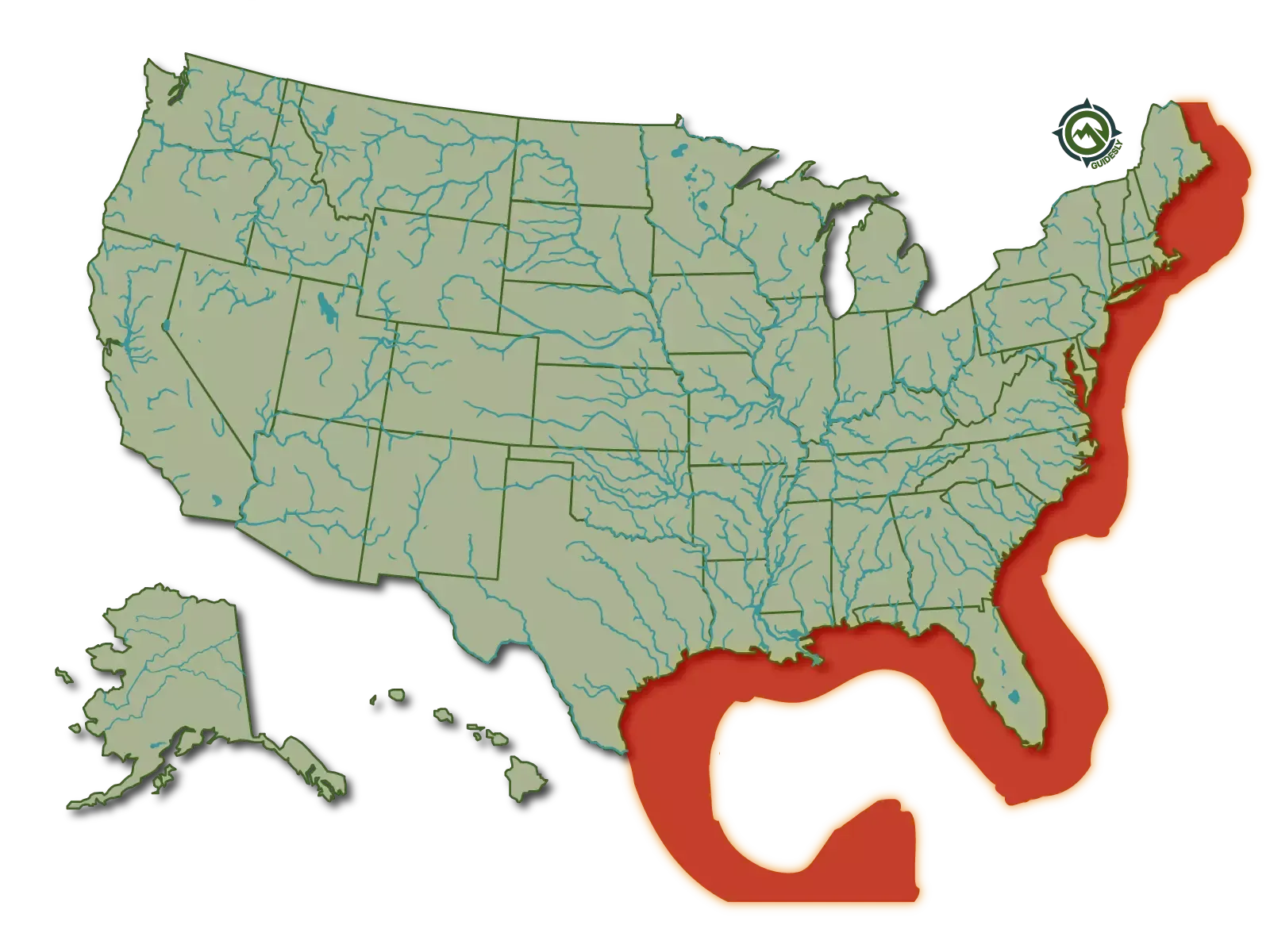
Where to Find Them
Many successful anglers have caught Spanish Mackerels by trolling or drifting on boats. Others have also been successful fishing on piers, jetties, and beaches by casting spoons and jigs and live-bait fishing. They can often be found in large schools swimming near the surface of the water. Although, this fish live mainly in tropical and subtropical waters, it can sometimes be seen in temperate waters as well.
Spanish Mackerel Fishing Tips
If you’re going to be fishing offshore, look around structures in the open waters where schools of Spanish Mackerels are often seen. Just make sure to drift to the area where they are so as not to spook the school of fish away. For nearshore fishing, again check around structures in open waters, including flats and oyster bars. In a warmer weather, schools are often spotted closer to shores. So you might want to stay on land and fish in the surf, piers, and jetties when the water warms.
As for the gears you’re going to need, here are some of our recommendations:
Equipment
- Light to medium spinning tackle
- Medium 7 to 8-foot rod
- 12-20 lb. braided line
- 1/0-2/0 circle hook that matches bait size
Lure
- Heavy metal lures, shiny spoons
- Plastics with jig heads
Bait
- Live shrimp and fish such as sardines, minnows, mullet, and greenbacks
- Cut bait such as squid
Is Spanish Mackerel Good to Eat?
When it comes to delicious fish that is versatile in flavor and texture, Spanish Mackerel is at the top of the list. This fish is a great ingredient to cook with and offers many different options for tasty dishes. It has a mild flavor that is not too fishy. When cooking with Spanish Mackerel, it can be grilled, baked, or even smoked, which makes it an excellent choice for different cuisines. The texture of this fish is also quite unique, as it is both flaky and tender at the same time. Whether you want to fry it up for a crispy meal or use it in a stew, there are many possibilities when it comes to preparing Spanish Mackerel.
Besides being a delicious and versatile fish, Spanish mackerel is also a healthy option for your diet. It is packed with essential nutrients such as omega-3 fatty acids and protein, which can improve heart health and provide energy.
Tarpon
Tarpon (Megalops Atlanticus)
A giant 6-foot Tarpon jumping several feet out of the water is a sight few anglers will ever forget! This bucket list game fish migrates between the Florida Keys, Costa Rica and the Florida Panhandle. The Florida Keys is widely thought of as the tarpon fishing capital of the world.
Florida Bay is a prime location, particularly in the deeper moats around some of the smaller keys and the channels that cut through the mud and grass flats. Tarpon frequent the Atlantic and Gulf "strips," the edges of flats around Islamorada, Marathon, and Key West. The same can be said for Key West Harbor.
Tarpons are classified into two species: M. atlanticus (Atlantic Ocean tarpon) and M. atlanticus cyprinoides (Indo-Pacific tarpon). Atlantic Tarpon can be found along the western Atlantic coast from Virginia to Brazil, as well as in the Caribbean and along the Gulf of Mexico coast.
Tarpon Description and Typical Size
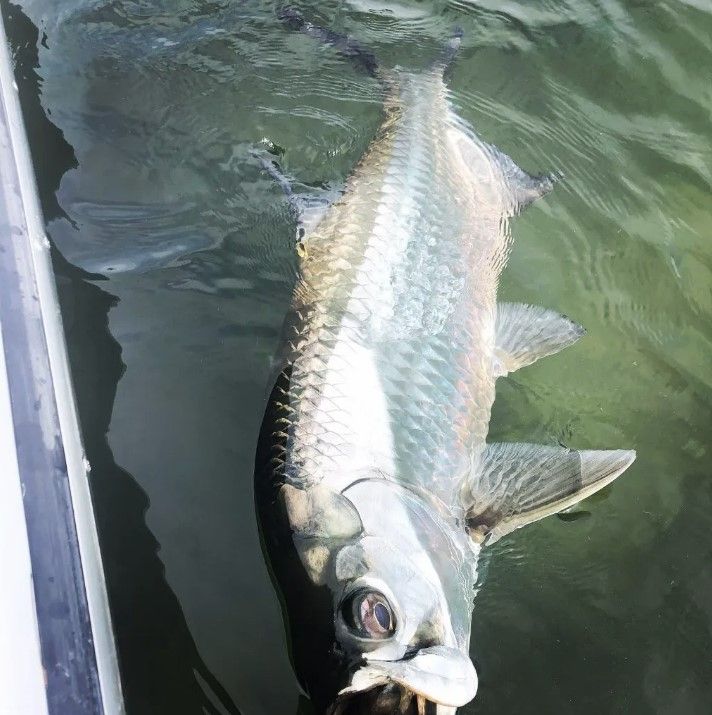
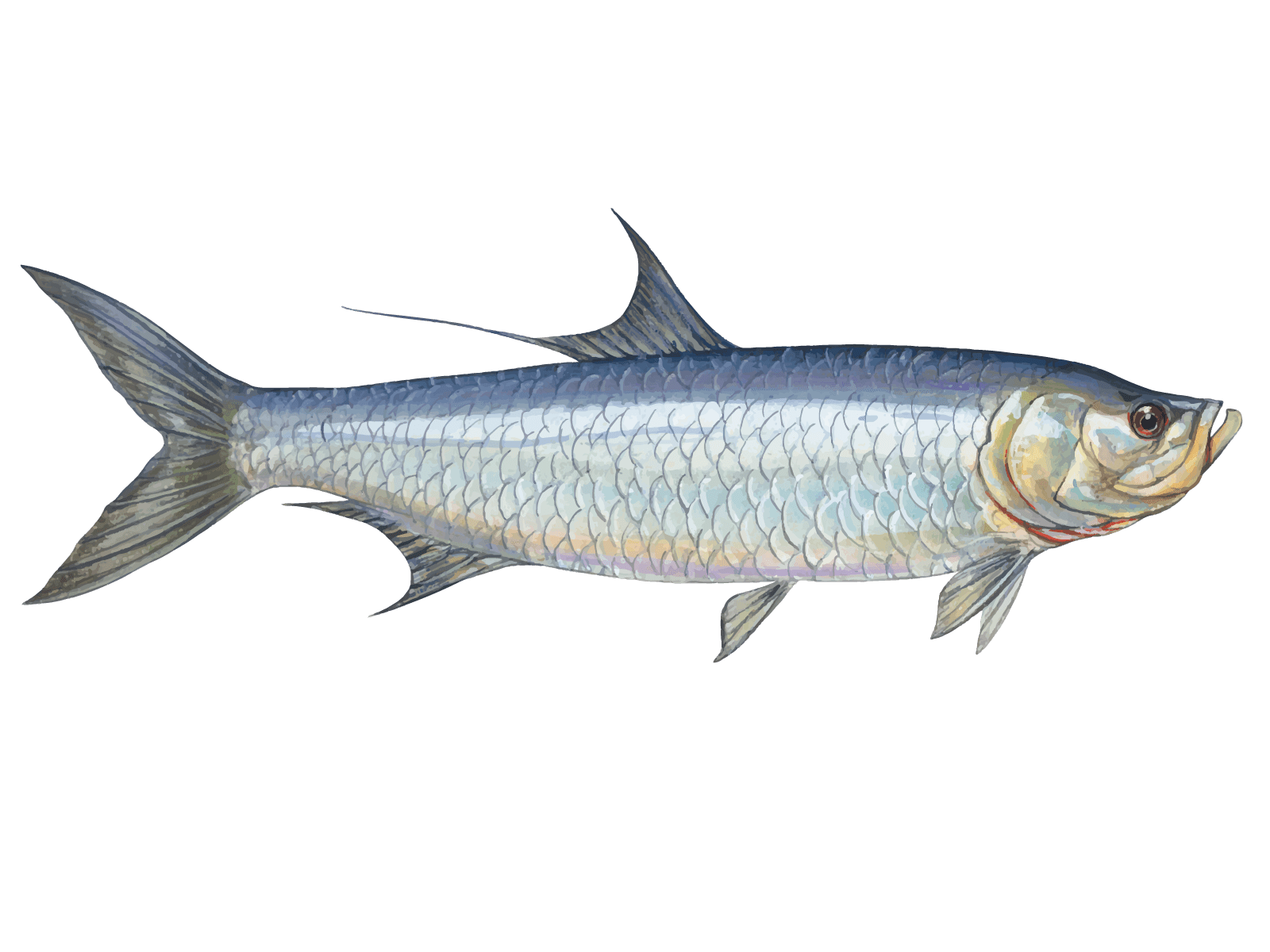
Tarpon have thin bodies covered with large flat scales. One of its more recognizable characteristics is its large lower jaw and mouth points upward. They are shimmery silver with blue-grey or greenish backs and dark fins and tails. The scales on top of the Tarpon body are darker than that underneath. This color makes it difficult for predators to see the fish when viewed from above or below. The tail has a deep fork, and the dorsal fin is elongated and thin.
Adult Tarpon can grow up to about 8 feet long and weigh up to 280 pounds, but the more common size is 4 feet and 80 - 100 pounds. Their lifespan can be up to 50 years or more.
Interesting Facts
- Tarpon are known for their acrobatics and can jump 10 feet out of the water and swim up to 35 mph.
- They are close relatives of Skipjack and Ladyfish.
- Although edible, people rarely eat them because of their small, hard-to-clean bones.
- Tarpon has been around for a long time - 125 million years kind of time!
- Tarpon are capable of filling themselves with air. This gives it a predatory advantage when oxygen levels in the water are low.
Diet
Tarpon are strictly carnivorous; they hunt mid-water bait fish, both small fish and larger fish they swallow whole.
Spawning
Tarpon spawn offshore in warm, secluded areas, usually in late spring to late summer and with a full moon or new moon cycle.
The sperm and egg are all released into the water in a process referred to as broadcast spawning. The female tarpons will release up to 12 million eggs at a time. Once the eggs are fertilized, they float on top of the water. The eggs look like transparent ribbons, which make it difficult for predators to notice. The eggs will absorb the nutrients in the water through the skin.
After hatching, they enter the juvenile stage, remaining in the shallow water until they have developed into an adult.
Where to Find Tarpon Fish?

Tarpon live in a variety of habitats. They mainly occupy saltwater but also range in the brackish water of rivers like Crystal River. They are primarily found in shallow coastal waters and estuaries, but not unusual if they appear in the open ocean close to coral reefs.
Tarpon can gulp air at the surface when they are in an environment that doesn't provide enough oxygen.
You will find them as far north as New England and occasionally in Nova Scotia, Canada in the summer months. Being migratory fish, you will find them in Southern Florida or Central America in the winter months. Their largest concentration is in South Florida and the Gulf of Mexico.
Some of the best places to find Tarpon include the Florida Keys, especially Islamorada, Marathon, Key West and the Everglades National Park. Miami is another great spot, especially Key Biscayne, Biscayne Bay, and Biscayne National Park. There are a number of other great places such as Boca Grande near Fort Myers and North thru Tampa Bay to Tarpon Springs and Crystal River. Don't forget Florida's Atlantic Ocean side with St. Augustine, Florida, St. Simons Island in Georgia, and San Juan Puerto Rico.
A Few Related Tarpon Fishing Articles:
Learn the Best Tarpon Fishing Spots
Fishing Techniques - How to Catch Tarpon
Although Tarpon can reach up to 280 pounds, heavy tackle is not required. A 5000 to 7000-size spinning reel paired with a medium-weight rod is a high multi-purpose tackle for Tarpon fishing that will be sufficient. The reel should be corrosive-resistant and have a smooth and robust drag to tame the fish quickly. When fishing tarpon, shrimp, pinfish, mullet, and crabs are the best live bait. Stake out above tarpon-holding areas and drift your live bait down to the fish. Hook crabs in the shell's corner and baitfish through the mouth.
Fly fishing the shallow flats is exciting. Watching a school of the larger fish turn towards the boat, knowing you are one perfect cast from landing a giant tarpon, is exhilarating. An angler armed with a 10wt rod and a perfect cast leads the school of fish, stripping like mad to lure the large Tarpon. A few flies to try while fly fishing includes the Black Death, Purple People Eater, White Lightning, Tarpon Shrimp, Coker Smoker, and the Tarpon Toad.
Their athleticism is one of the most fantastic attractions of Tarpon fishing. When the fish is hooked, it will use its muscular build and incredible speed to jump out of the water. Be careful; often, these jumps help the fish remove the hook.
There is nothing like a successful and enjoyable tarpon fishing trip on a fishing charter. Fishing charters are the best way to ensure that you have a successful and enjoyable tarpon fishing trip. You'll have the chance to explore some of the most beautiful locations in the world not only because you will be able to access the best equipment and professional guidance, but also because you will have the latest fishing report, tarpon migration, and a guide to understand where the large fish are roaming.
Can you Eat Tarpon?
While Tarpon fish are thrilling to reel in, many people wonder if tarpon is good to eat. The short answer is that while you technically can eat tarpon, it's not recommended for several reasons.
Firstly, tarpon has high levels of mercury, which can be harmful in large quantities. Secondly, their flesh tends to be tough and full of bones, making it challenging to prepare and enjoy as a meal. Additionally, most anglers practice catch-and-release with tarpon as they are highly sought after for sport rather than food. While it may be possible to eat tarpon fish if you choose to do so, it's not recommended due to the high levels of mercury present in their flesh and the difficulty in preparing them for consumption.
If you do want to test the waters and try eating tarpon, you will find a white, flaky texture with a mild taste and oily flavor. It is advised to only consume tarpon caught in clean waters to avoid any potential health risks. When preparing tarpon for consumption, it is best to bake or grill it and avoid consuming it raw. Ultimately, whether or not to eat tarpon is a personal choice, but those who choose to do so should ensure that it is properly cooked and comes from a safe source.
Tarpon History
A review of Tarpon history reveals that these prehistoric fish that have been around for over 100 million years have received much attention from scientists in Florida, especially over the last several years. To determine the survival rate after a long battle, researchers at the Florida Marine Research Institute track and release individual tarpon to determine how well they survive the battle.
There have been a few rare cases in which tarpon has been found in northern locations like Nova Scotia, Canada. Female tarpons can grow to over 300 pounds and can reach almost 8 feet in length. A female tarpon can live for over fifty years, and a smaller male can live for up to thirty years. In an aquarium, the oldest tarpon in captivity died at 63 years of age after living for over fifty years.
Tarpons are extremely slow growers. Juvenile tarpon does not reach sexual maturity until seven, and they can reach sexual maturity as late as thirteen years old. Most tarpon fishing is done right close to shore; the tarpon spawns offshore when the tides are at the highest on major moons when they are at their strongest. Tarpon spawns during the month of April through July. The significant moons are when other fish move into shallow waters while others are moving out to spawn.
For all these reasons, it is very easy to see why it is so important to release each and every tarpon as carefully as possible. For example, a 100-pound tarpon is between 13 and 16 years old. One female tarpon can lay as many as 12 million eggs.
About the Tarpon Population
Tarpons are one of the most sought-after fish in the world, and their population is dwindling.
Tarpons are a threatened species and are considered an endangered species by the International Union for Conservation of Nature (IUCN). They're also popular game fish for sport fishing and commercial purposes.
About the Pathfinder
%2F%2Fusers%2Fdf68f2b7-f763-4598-9fcc-04b221214b93%2Fvehicle_picture%2F906a328701bb0648f57cd2e86e79b7a4.jpeg&w=1920&q=75)
Vehicle Guest Capacity: 6
Manufacturer Name: Yamaha
Maximum Cruising Speed: 45
Number of Engines: 1
Horsepower per Engine: 3

Captain Steve is an interesting guy who clearly enjoys fishing and obviously knows what he’s doing. His boat is fit for purpose and he uses the best tackle. My party fished for grouper and he got us on them. I’d book another trip with Captain Steve for other species like tarpon and snook.